in house counsel
The Summer Pause: What Legal Teams Lose When They Never Stop
The Scholars Who Stopped, and What That Signals
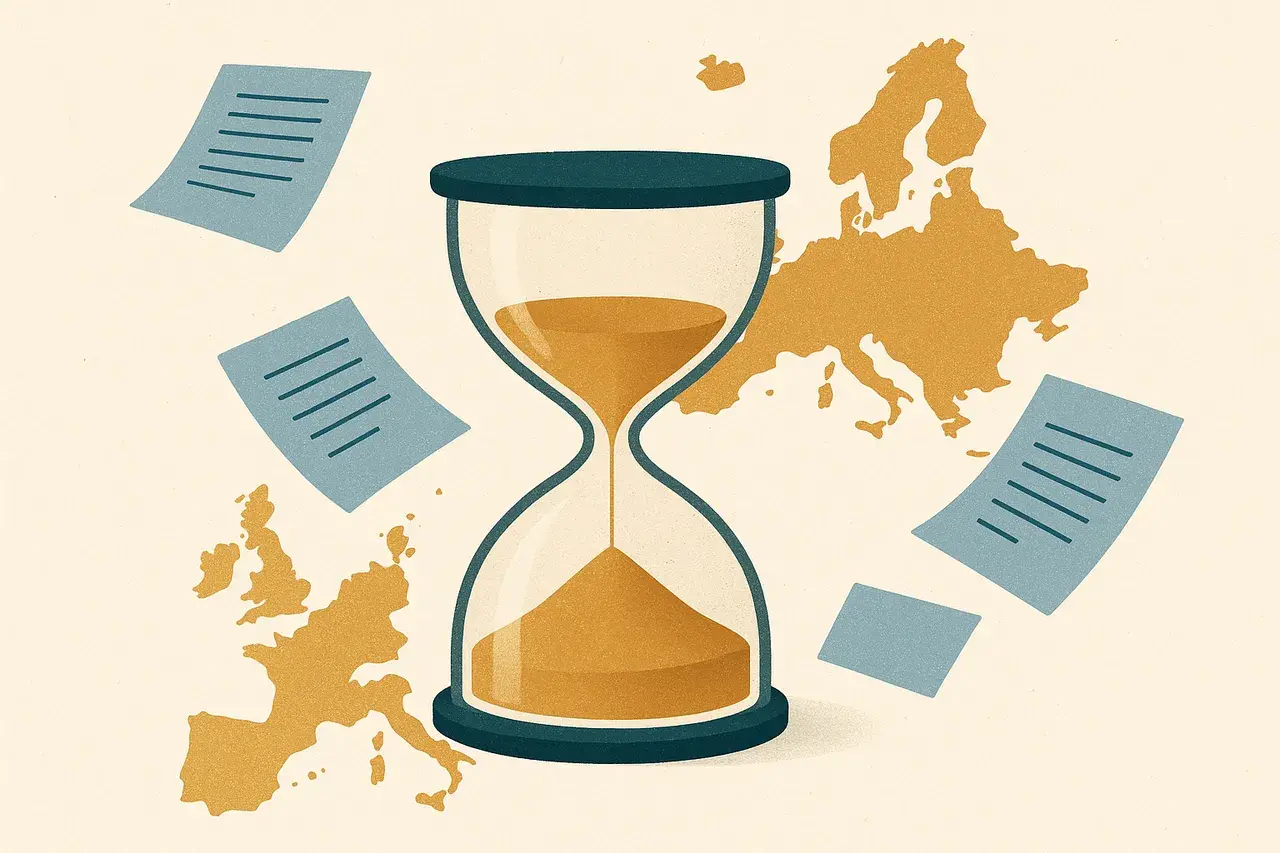
Verfassungsblog, one of Europe's most rigorous public law publications, recently signed off for summer with a gentle reminder that stillness has value. The editorial note encouraged readers to try "diese kleine Lebenszeit, in der Sie gar nichts machen" — that small slice of life in which you do absolutely nothing. It is a deceptively simple idea, and for legal professionals it is almost radical.
In-house teams and law firms rarely build rest into their operating model. Contracts arrive continuously. Counterparties do not pause because it is August. Regulatory deadlines are indifferent to the school holidays. The result is a profession that normalises exhaustion and then wonders why contract quality deteriorates, negotiation positions harden unnecessarily, and junior lawyers struggle to develop sound judgment under perpetual deadline pressure.
What Contract Fatigue Actually Costs
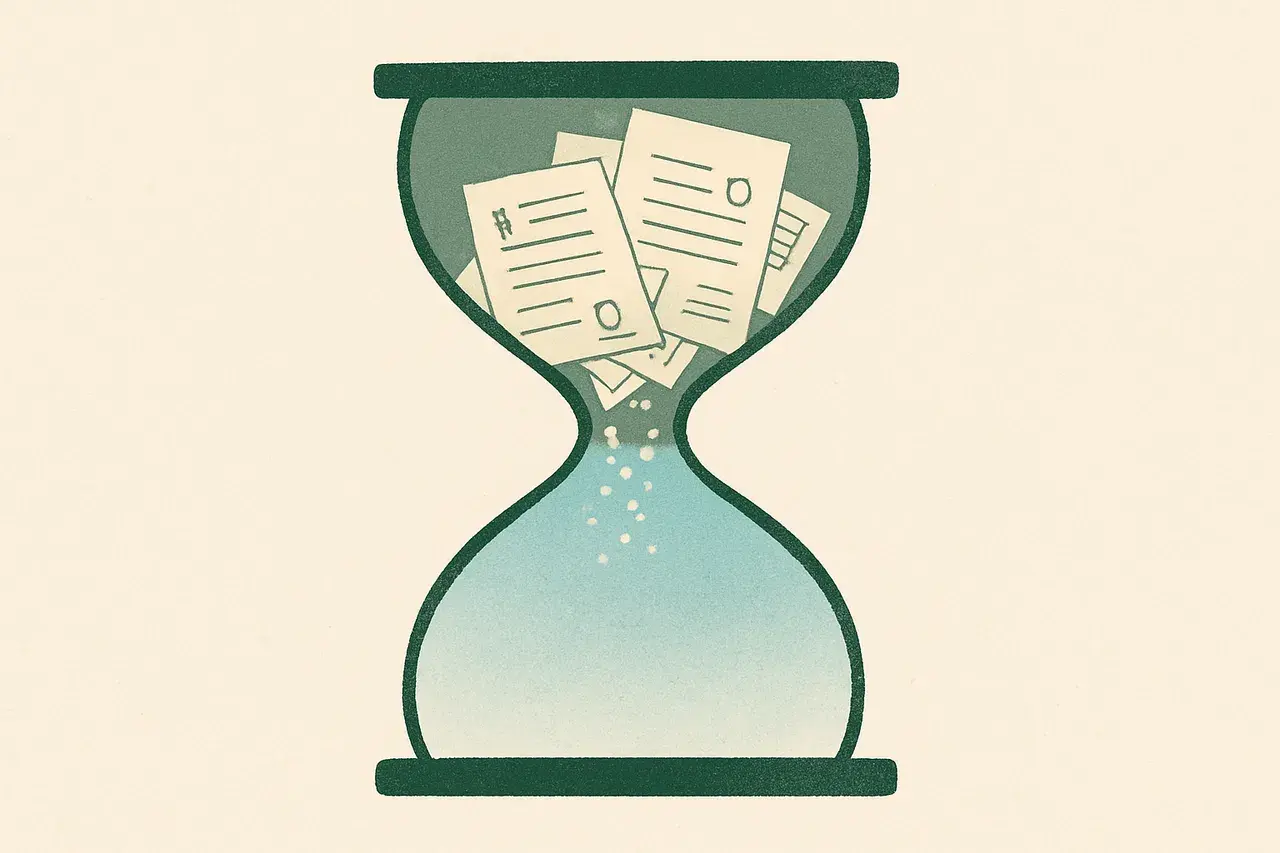
Contract fatigue is not a soft concern. It has measurable consequences. When a lawyer has reviewed forty NDAs in a week, the forty-first receives less scrutiny. Unusual governing law clauses go unquestioned. Liability caps that sit outside a company's approved playbook get waved through. Auto-renewal terms that should trigger a commercial conversation are missed entirely.
The irony is that the volume of contracts is itself a symptom of poor process rather than genuine business complexity. Many organisations have normalised a workflow in which every routine agreement demands senior legal attention because no systematic layer exists beneath it. The team cannot pause because it is trapped in triage.
What AI CLM Changes, and What It Does Not
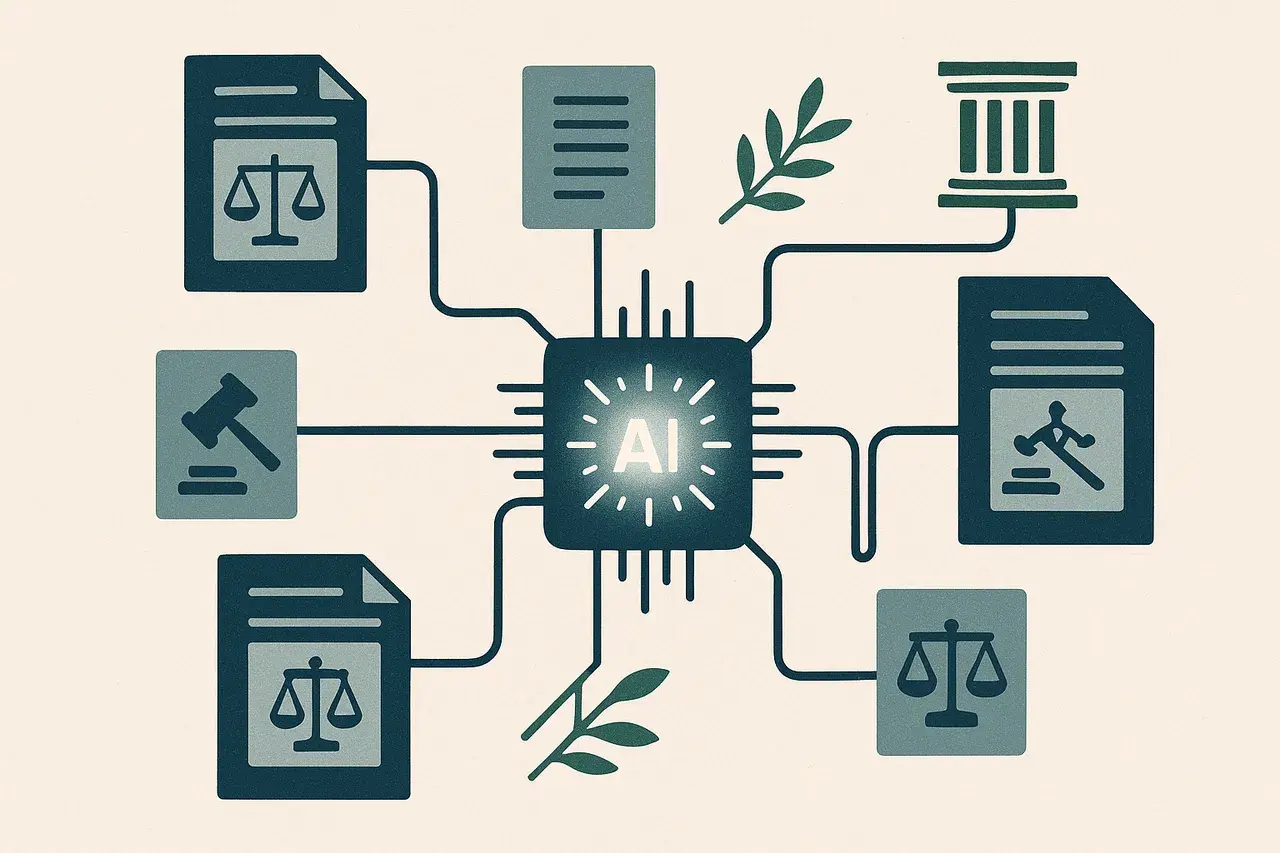
This is precisely the gap that a properly configured AI contract lifecycle management platform addresses. When Adira reads an incoming contract from your counterparty, it does so from your side: flagging deviations from your playbook, surfacing the governing law and jurisdiction so the review reflects what that law actually requires, and drafting responses in the voice your team has already approved. The routine work is handled. The lawyer receives a structured briefing rather than a blank page.
But technology does not eliminate the need for human judgment. It concentrates that judgment where it is genuinely needed. A lawyer who is not spending three hours manually redlining a template services agreement is a lawyer who has time to think carefully about a genuinely novel indemnity question, or to advise the business on a strategic partnership that deserves real attention.
The summer pause matters because restoration is part of what makes that judgment reliable. Burned-out lawyers make cautious errors: over-negotiating low-stakes points, under-scrutinising complex ones, and defaulting to familiar positions rather than asking whether the familiar position still serves the client.
The EU Dimension: Regulatory Density Demands Clear Heads
For teams operating across EU jurisdictions, the cognitive load is particularly significant. The interplay between the GDPR, the AI Act, the Digital Services Act, sector-specific directives, and the contract law of individual member states creates a landscape where assumptions imported from one jurisdiction can be quietly wrong in another. A data processing addendum that is perfectly adequate under German law may need meaningful adjustment for a French counterparty subject to CNIL guidance. An AI procurement clause that satisfies requirements in one context may be insufficient in a high-risk deployment scenario under the AI Act's classification framework.
Adira is built to hold this jurisdictional awareness as a standing capability rather than something a lawyer must reconstruct from scratch on every matter. That structural support is not a replacement for expertise. It is what allows expertise to be applied rather than exhausted on threshold questions.
Returning With Better Questions
The Verfassungsblog editorial team will return from their pause with sharper editorial judgment. That is the point of stopping. The legal profession would benefit from taking the same view seriously, not as a luxury concession, but as a professional discipline.
For legal operations leaders, the practical takeaway is this: if your team cannot take a proper summer break because the contract queue does not allow it, the problem is not the calendar. It is the absence of a workflow that handles volume intelligently so that humans can focus on the work that actually requires them.
Automate the routine. Brief the complex. Rest between the two. The contracts will still be there in September, and your team will be better placed to read them clearly.
See how Adira drafts in your voice and reads contracts from your side.
Explore the showroomWorking through a contract like this? Weave is Adira’s free tool to read, mark up, and connect any contract in your browser — no account needed.
Try Weave — free