contract lifecycle management
The Case for Legal Downtime: What Summer Breaks Teach Us About Contract Hygiene
The Pause That Exposes the Gaps
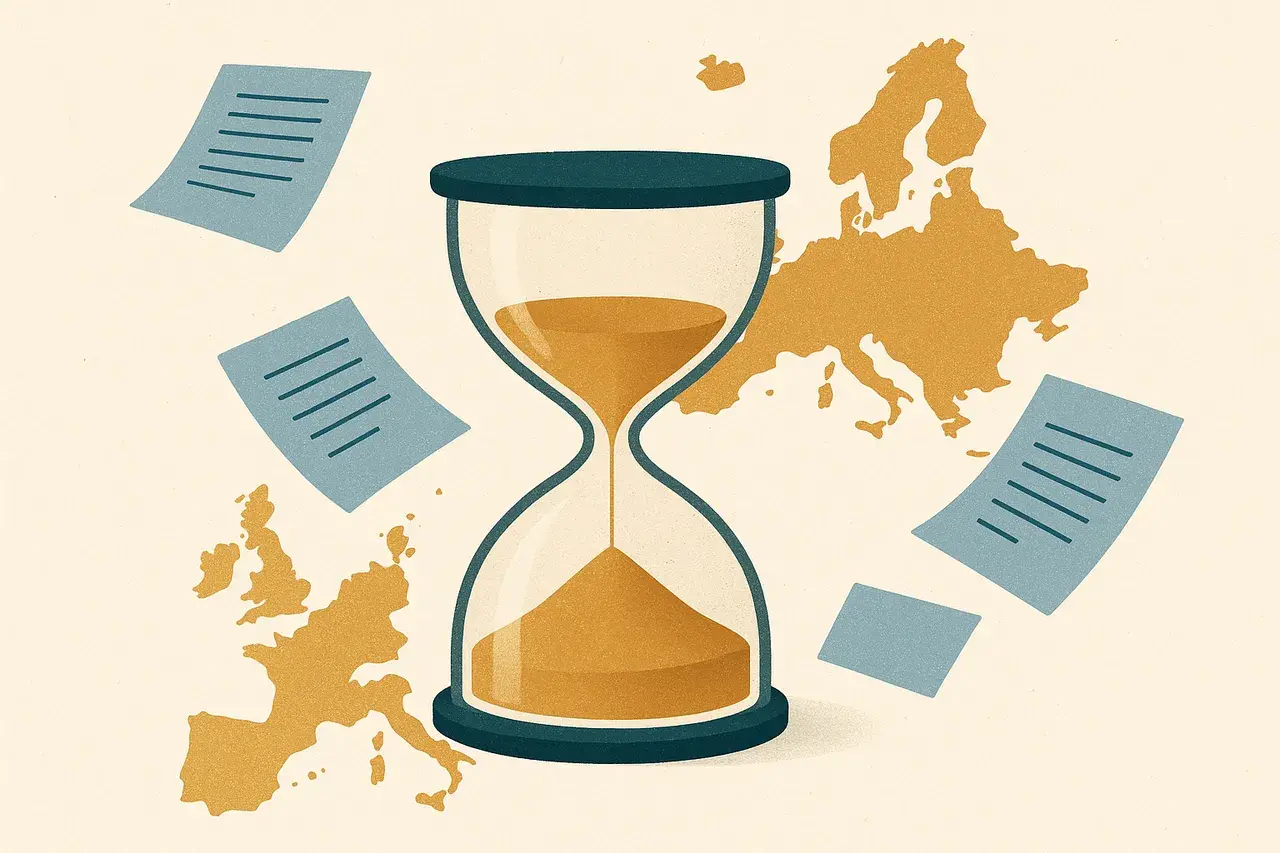
Verfassungsblog, one of Europe's most respected public law publications, recently signed off for its summer newsletter break with a quiet but pointed observation: real rest means silence, not merely switching from one screen to another. For legal teams, that sentiment lands differently than it might for a general readership. When a law firm or in-house department actually slows down in July or August, the machinery of contract management does not slow with it. Renewal dates arrive. Governing-law clauses in European supply agreements trigger notification windows. Auto-renewal provisions roll over without a signature in sight.
The summer lull, in other words, is less a rest and more a stress test. What survives without constant human attention tells you a great deal about the underlying health of your contract operations.
Why European Jurisdictions Make This Harder
For teams operating across the EU, the seasonal dimension of legal risk is particularly pronounced. German law, for instance, imposes strict notice periods under many standard commercial frameworks. French administrative closures affect counterparty responsiveness. Scandinavian collective holiday arrangements mean entire supplier organisations can be unreachable for three consecutive weeks. If your contract repository does not surface these jurisdiction-specific obligations automatically, someone returns from leave to find a missed deadline dressed up as a routine email.
This is precisely the kind of problem that generic contract tools handle poorly. A system that knows only that a notice period exists, but not that it is governed by the specifics of BGB section 314 or the French Code de commerce, will surface an alert that is technically correct and practically useless. Knowing the law of the jurisdiction is not an optional feature. It is the feature.
What Automation Should Actually Do When Your Team Is Away
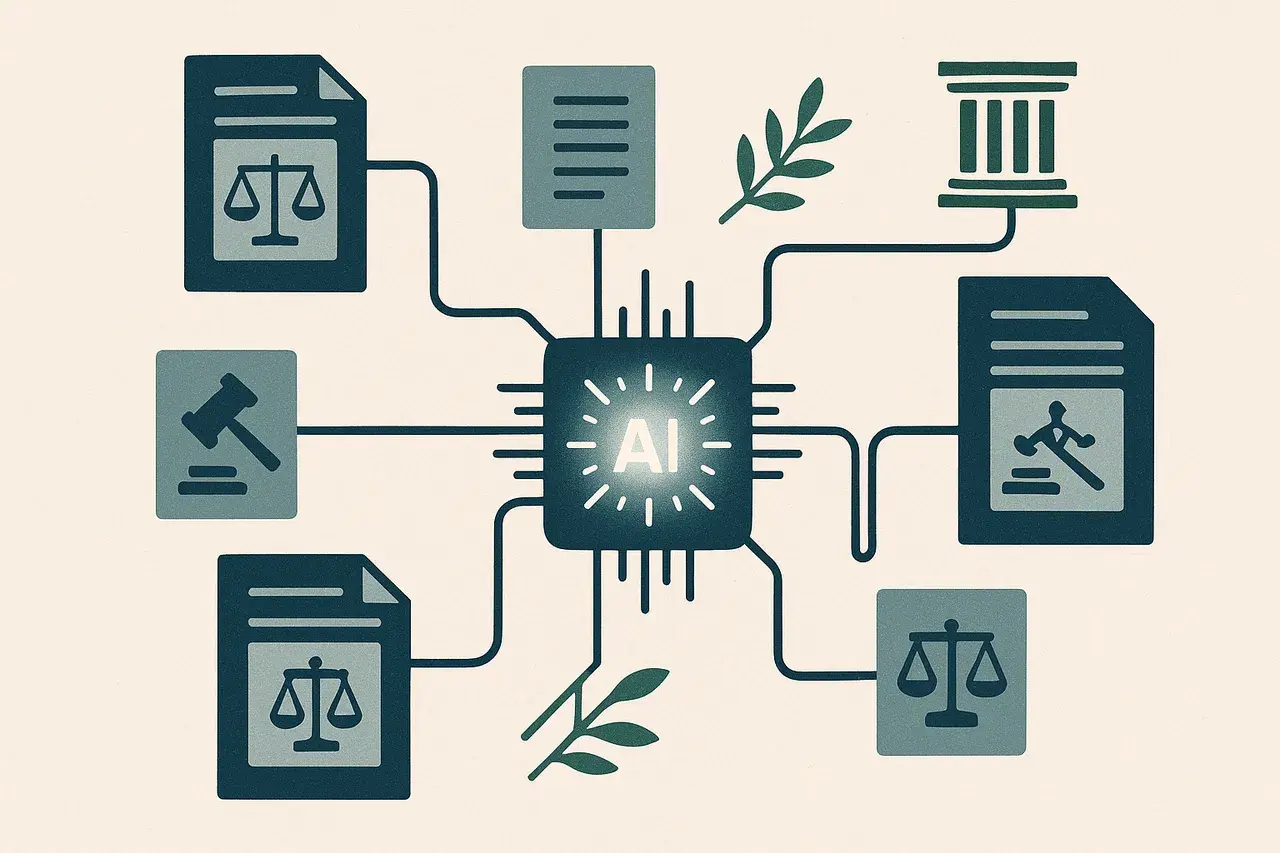
The promise of AI-assisted contract lifecycle management is not simply that it drafts faster. The more consequential promise is that the system maintains vigilance when human attention is elsewhere. During a summer period this means several things working in concert.
First, the system should track obligation calendars that are calibrated to the governing law of each individual contract, not a generic universal timeline. A notice period that runs from the date of receipt rather than the date of dispatch, a requirement common in several European civil law systems, is a material distinction.
Second, the drafting capability must reflect the company's own voice and existing positions, so that if a counterparty sends a variation request in mid-August, the team returning in September is not starting from a blank page. They are reviewing a marked-up response that already reflects their standard positions, jurisdiction-appropriate language, and the specific commercial history of that relationship.
Third, and perhaps most importantly, the system should read contracts from your side of the table. This sounds obvious but it is surprisingly rare. Many tools read contracts neutrally, flagging issues without a perspective. A tool that understands which party you are, and what that means for how risk is allocated in a given clause, produces genuinely actionable output rather than a list of observations that still require significant legal judgement to interpret.
The Deeper Lesson From a Newsletter Signing Off
There is a more philosophical point beneath the operational one. The fact that a serious legal publication can pause its newsletter without the underlying legal discourse collapsing tells you something about the value of robust infrastructure. The editorial team trusts that the work they have already published will hold, that their systems will continue, and that the institution is not entirely dependent on their presence in any given week.
In-house legal teams and law firms deserve to feel the same confidence about their contract portfolios. The goal of a mature CLM implementation is precisely this: that a competent team can take a genuine break without the quiet anxiety that something important is quietly expiring in a folder somewhere.
Preparing Before the Out-of-Office Goes On
Practically speaking, the weeks before a major firm or team holiday are the right moment to audit three things. First, which contracts have obligations or deadlines falling within the break window, and are those obligations captured in a system that will surface them automatically. Second, which counterparties are themselves in jurisdictions with extended summer closures, since a notice sent to an empty office may not satisfy contractual requirements depending on the governing law. Third, whether the drafting standards and clause libraries used during the year are sufficiently documented that a returning colleague or a covering team member can continue without losing consistency of voice or legal position.
None of this requires a large team or a complex programme. It requires the right tools, configured properly, and a clear-eyed view of what the contract estate actually contains. That clarity is what good CLM is supposed to deliver, not just in August, but every month of the year.
See how Adira drafts in your voice and reads contracts from your side.
Explore the showroomWorking through a contract like this? Weave is Adira’s free tool to read, mark up, and connect any contract in your browser — no account needed.
Try Weave — free