brand legal disputes
Trademark Ownership Disputes in Music Partnerships: Lessons from the C+C Music Factory Lawsuit
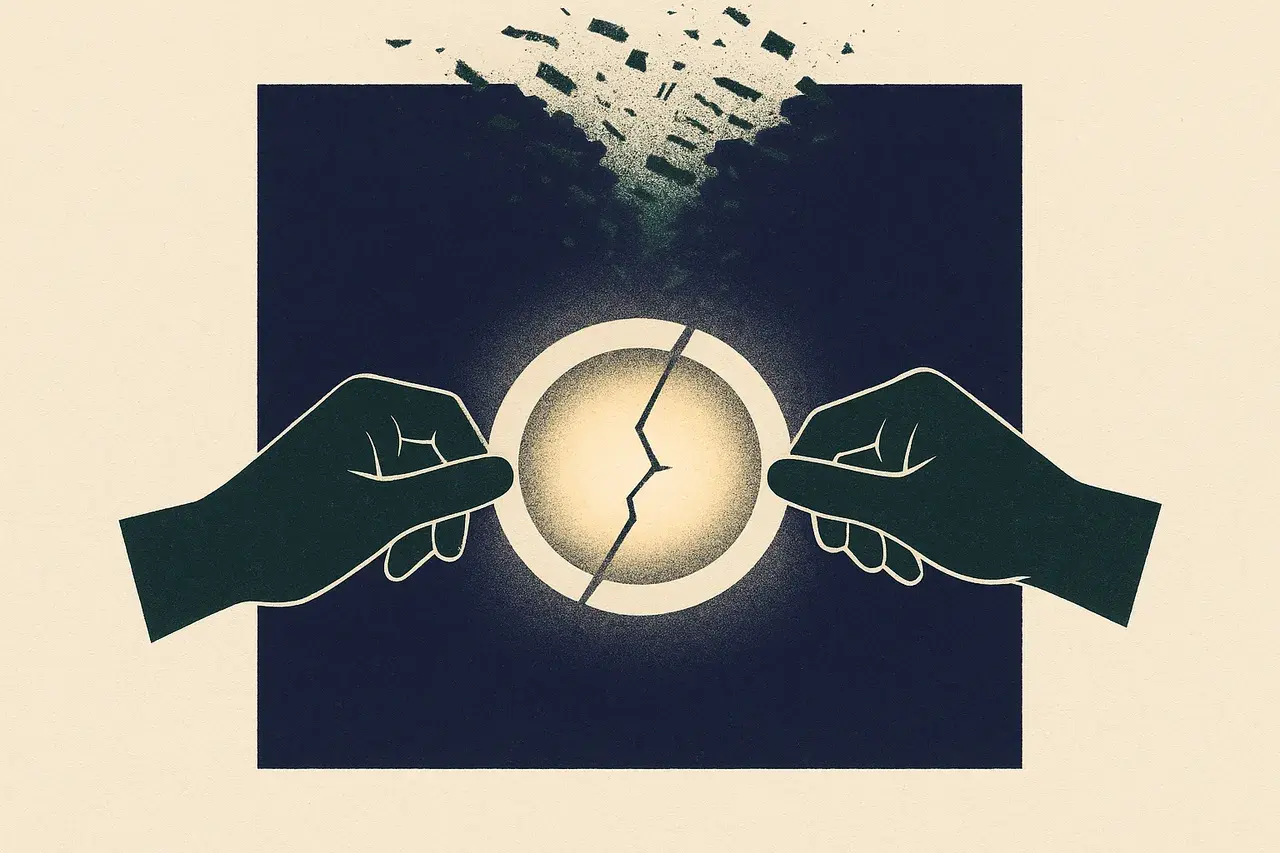
The Dispute That 30 Years of Fame Could Not Prevent
The C+C Music Factory lawsuit is a textbook example of how a commercially successful brand can become a legal liability when the founding partnership never established clear trademark ownership rules. David Cole's estate, represented by his co-founder Zelma Davis, has filed a $30 million trademark lawsuit against Freedom Williams, alleging that Williams has been exploiting the C+C Music Factory name without authorisation. The group produced one of the best-selling albums of the early 1990s, yet three decades later its founders are in federal court arguing over who actually owns the brand. That gap between commercial achievement and contractual clarity is precisely where creative partnerships go wrong, and it is entirely avoidable.
The core question in any such dispute is deceptively simple: who registered the trademark, who licensed it, and on what terms? When those questions lack written answers, courts are left to infer intent from conduct, correspondence, and commercial history. That is an expensive way to resolve something a well-drafted agreement could have settled in a single clause.
Which Clause Failed: The Missing IP Ownership Provision
Most creative partnership agreements, when they exist at all, focus on revenue splits and creative credits. They routinely omit a dedicated intellectual property ownership clause that specifies who holds title to the group name, who may register it as a trademark, and what rights, if any, each partner retains if the collaboration ends.
In the C+C Music Factory situation, the apparent absence of such a clause has allowed Williams to argue an entitlement to use the name for touring and commercial purposes. Whether or not that argument succeeds, the litigation itself represents a failure of contract design. A properly drafted agreement would have addressed three distinct questions at inception: ownership of the mark, licensing rights during the partnership, and what happens to the mark upon dissolution or departure of a member.
Without those provisions, both parties can construct plausible narratives from the same set of facts, and litigation becomes the only mechanism for resolution.
What a Tighter Contract Would Have Said
A robust intellectual property clause in a creative partnership agreement should do the following. First, it should vest trademark ownership in a named legal entity, typically a jointly owned company or one designated partner acting as trustee, rather than leaving ownership ambiguous between individuals. Second, it should grant each active partner a limited, revocable licence to use the mark in agreed commercial contexts, with that licence terminating automatically upon departure or dissolution. Third, it should specify that no partner may register, sub-licence, or assign the mark without the written consent of all owners.
A dissolution clause should sit alongside this, providing a clear mechanism for determining what happens to the brand when the partnership ends. Options include a right of first refusal allowing remaining partners to buy out a departing member's interest, a requirement that the mark be retired or renamed, or a pre-agreed valuation method to resolve disputes over the mark's worth. Any of these outcomes is preferable to a $30 million federal lawsuit.
Additionally, partnerships that anticipate touring or live performance revenue, as most music collaborations do, should address the right to perform under the brand name separately from the right to record or release music under it. These are commercially distinct rights that generate different income streams and carry different reputational risks.
Trademark Licensing and Goodwill: The Hidden Exposure
One aspect of trademark disputes that non-specialists frequently underestimate is the concept of goodwill. A trademark is not simply a name. It represents accumulated consumer recognition and the commercial reputation attached to it. When one partner continues to perform under a shared name without authorisation, they are not merely using a label. They are potentially diluting the mark and misappropriating goodwill that belongs to all owners.
This is why trademark infringement claims in creative partnership disputes can reach figures like $30 million. Courts assess damages not just on lost licence fees but on the commercial value of the goodwill exploited. Contracts should reflect this by including a goodwill protection clause, confirming that all goodwill generated under the shared name accrues to the entity holding the mark, not to individual partners personally.
How AI Contract Review Changes the Calculus
Platforms like Adira are designed to identify exactly the kind of omissions that create disputes like this one. When reviewing a creative partnership or joint venture agreement, Adira flags missing IP ownership provisions, ambiguous dissolution terms, and absent licensing restrictions as material risks. It can also propose jurisdiction-appropriate language, since trademark law varies meaningfully between the United States, the United Kingdom, and the European Union, particularly regarding what constitutes infringement and how courts calculate damages.
For founders negotiating a creative collaboration today, the practical lesson is to treat the brand name as an asset requiring the same contractual precision as equity or revenue. The moment a group name acquires any commercial recognition, it has economic value. Contracts should reflect that value from the outset, not years later in a courtroom.
Practical Steps to Avoid the Same Exposure
First, register the trademark early and in the name of a jointly controlled entity. Second, include a clear IP ownership clause in your partnership or collaboration agreement that covers the mark, any associated logos, and domain names. Third, draft a departure and dissolution protocol that addresses the brand name explicitly, including who may use it, for how long, and under what conditions. Fourth, include a goodwill clause confirming that all reputation value attaches to the entity, not the individual. Fifth, review the agreement in every jurisdiction where you trade commercially, since trademark rights are territorial and a registration in one country does not protect you in another.
The C+C Music Factory dispute is a reminder that creative genius and legal rigour are not mutually exclusive. The contracts that protect creative work are simply another form of craftsmanship.
Frequently asked questions
- Who owns a band or group trademark when the founders split up?
- Trademark ownership depends on who registered the mark and what the original partnership agreement said. If no agreement addressed this, courts will examine registration records, commercial conduct, and any licensing arrangements to determine ownership. The safest approach is to vest the mark in a jointly controlled legal entity from the outset.
- Can one co-founder of a music group use the group name without the others' permission?
- Not legally, if the trademark is owned by another partner, a joint entity, or the estate of a deceased co-founder. Using a trademark without authorisation can constitute infringement, even if you were a founding member of the group. The specific rights of each partner depend entirely on what the original agreement and any trademark registrations say.
- What should a creative partnership agreement say about trademark ownership?
- It should name the legal entity that holds the trademark, grant each active partner a limited and revocable licence to use it, require unanimous consent before any registration or sub-licence, and include a dissolution clause specifying what happens to the mark if the partnership ends. These provisions prevent costly disputes later.
- How are damages calculated in a trademark infringement lawsuit between business partners?
- Courts typically consider lost licence fees, profits derived from the unauthorised use of the mark, and the commercial value of the goodwill that was exploited. In high-profile brand disputes, these figures can reach tens of millions of dollars, particularly where the mark has strong consumer recognition built over many years.
- How do I protect a shared brand name in a joint venture or collaboration agreement?
- Register the trademark in the name of a jointly controlled entity as early as possible. Include an IP ownership clause in your agreement covering the mark, associated logos, and digital assets. Add a departure protocol that specifies whether a leaving partner may continue using the name and on what terms. Review the agreement in every territory where you operate commercially.
Sources
See how Adira drafts in your voice and reads contracts from your side.
Explore the showroomWorking through a contract like this? Weave is Adira’s free tool to read, mark up, and connect any contract in your browser — no account needed.
Try Weave — free