criminal law
New York Enhanced Sentencing Laws: What the Queens Case Means for Criminal Law and Contract Compliance
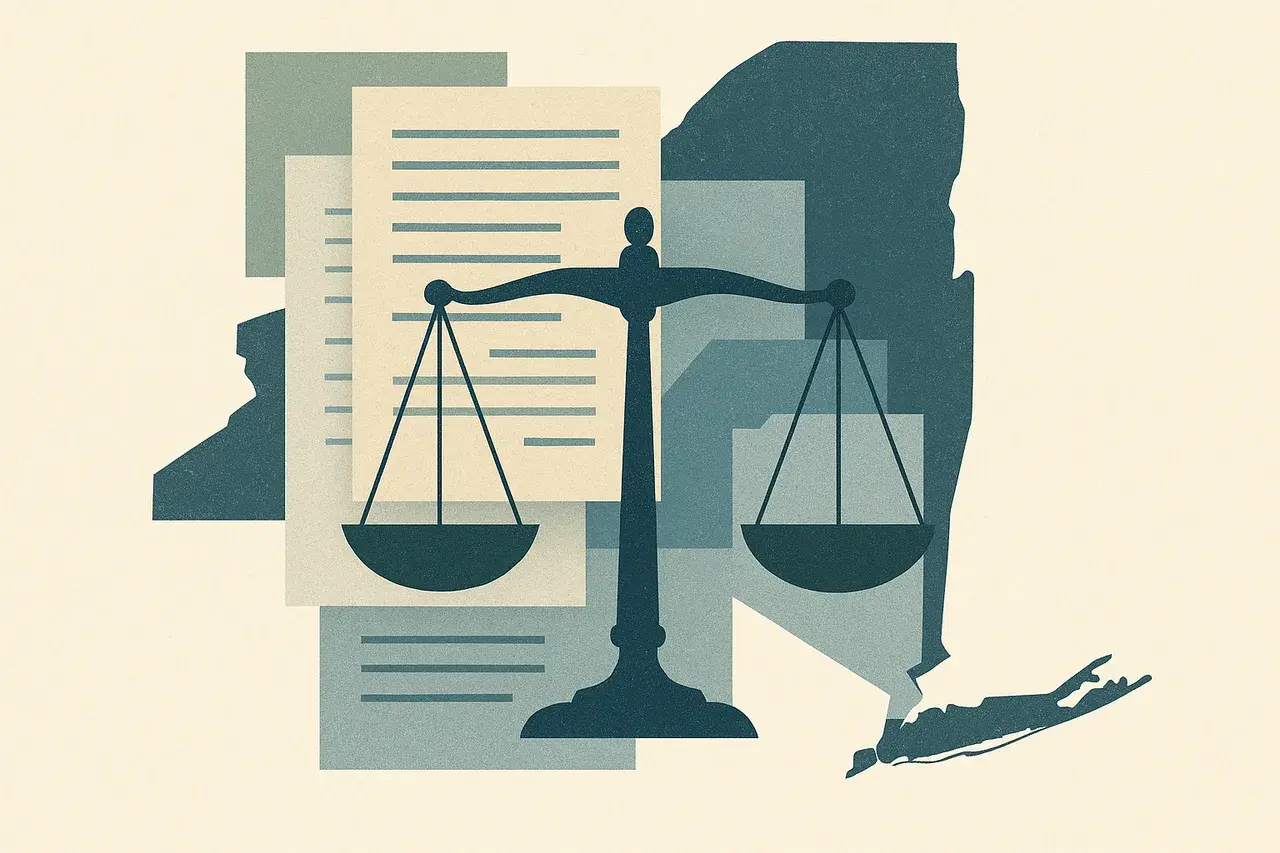
Why the Queens Case on Enhanced Sentencing Matters Beyond the Courtroom
A criminal case originating in Queens, New York, is working its way toward the state's Court of Appeals, and the legal question at its centre is not a narrow procedural point. It concerns whether New York's enhanced sentencing rules, which allow courts to impose heavier penalties based on prior convictions or aggravating circumstances, are being applied consistently and lawfully. If the Court of Appeals accepts the case, its ruling will set binding precedent across the state. That makes this a story worth following closely, not just for defence lawyers, but for compliance officers, in-house counsel, and any organisation with material exposure to New York law.
What Enhanced Sentencing Rules Actually Do in New York
New York's penal framework includes several mechanisms that allow a sentencing judge to increase the standard penalty for an offence. Persistent felony offender provisions, hate crime enhancements, and aggravated status designations are among the most commonly applied. Each mechanism attaches additional years, or shifts a defendant into a higher sentencing tier, based on facts found either by the jury or by the judge at the sentencing stage.
The constitutional tension here is significant. The United States Supreme Court held in Apprendi v. New Jersey that any fact increasing a penalty beyond the statutory maximum must be found by a jury beyond reasonable doubt. New York's approach to judicial fact-finding at sentencing has long occupied a complicated space relative to that federal standard. The Queens case reportedly puts that tension back into focus, raising the question of whether certain enhancements are being imposed in a manner consistent with both state and federal constitutional requirements.
The Court of Appeals Route and What It Could Decide
New York's Court of Appeals is the state's highest tribunal. A ruling from that court on the lawfulness of enhanced sentencing rules would bind every lower court in New York. Depending on how broadly the court writes its opinion, it could require resentencing for a class of defendants, curtail a judge's ability to apply certain enhancements without jury findings, or, conversely, affirm the existing framework and close off future challenges on the same grounds.
Legal practitioners note that the timing matters too. New York has seen significant legislative activity around criminal justice in recent years, and a Court of Appeals ruling that constrains sentencing discretion would land in an already unsettled policy environment. Legislators, prosecutors, and defence advocates would all need to respond.
Corporate and Compliance Implications of Shifting Sentencing Standards
For most businesses, enhanced sentencing rules appear at first glance to be a concern only for individuals facing prosecution. That reading is too narrow. Corporate officers, executives, and compliance personnel in regulated industries face personal criminal exposure under New York law across a range of areas: financial fraud, environmental violations, workplace safety failures, and data privacy breaches, among others.
If the Court of Appeals narrows the circumstances in which enhancements apply, the calculus around cooperation with prosecutors, plea negotiations, and deferred prosecution agreements shifts accordingly. Conversely, if the court affirms broad enhancement powers, organisations operating in New York need to ensure their internal compliance programmes are robust enough to demonstrate that individual wrongdoing was not sanctioned or facilitated by corporate policy. Either outcome has direct implications for how contracts, indemnities, and liability clauses are drafted when New York law governs.
How Adira Helps Organisations Track Jurisdictional Legal Risk
One of the practical challenges this case illustrates is how quickly the legal landscape in any single jurisdiction can shift. A clause that allocates criminal liability, defines gross misconduct, or references regulatory compliance under New York law may read differently once the Court of Appeals issues its decision.
Adira's contract intelligence platform monitors the governing law of every agreement in a company's portfolio. When a jurisdiction's legal standards change, whether through court decisions, new statutes, or regulatory guidance, the platform flags affected clauses for review. That means legal and compliance teams are not relying on manual tracking or hoping that a relevant ruling surfaces in a newsletter. The risk is identified at the contract level, where it can actually be managed.
What to Watch as the Case Progresses
The immediate question is whether the Court of Appeals agrees to hear the case at all. If it does, the briefing schedule will signal roughly when a decision might arrive. Practitioners advising clients on New York criminal exposure, and in-house teams with New York-governed agreements that touch on regulatory or criminal compliance, should note the case citation once it is formally docketed and monitor for amicus filings, which often indicate how broadly the legal community expects the ruling to reach.
This is not a case that will resolve quickly. Courts of Appeals move deliberately, and enhanced sentencing doctrine is technically dense. But the direction of travel matters even before a final ruling, because prosecutors and defence counsel will already begin adjusting their strategies in response to the questions the court chooses to ask.
Frequently asked questions
- What are New York's enhanced sentencing rules?
- New York's enhanced sentencing rules allow courts to impose heavier penalties than the standard range based on factors such as prior felony convictions, hate crime designations, or other aggravating circumstances defined in the penal law. These enhancements can shift a defendant into a higher sentencing tier or add years to the base term. Their application has been the subject of ongoing constitutional debate regarding how facts supporting the enhancement must be established.
- Why could the Queens case go to the New York Court of Appeals?
- The Queens case reportedly raises a legal question about whether certain enhanced sentencing rules are being applied consistently with constitutional requirements, including the standard set by the US Supreme Court in Apprendi v. New Jersey. If the Court of Appeals agrees to hear the matter, its ruling would set binding precedent for all New York courts. The case is significant because it could either constrain or affirm the existing framework for sentencing enhancements statewide.
- How do sentencing law changes affect business compliance in New York?
- Changes to sentencing rules affect the personal criminal exposure of corporate officers and executives under New York law, which in turn influences cooperation strategies, plea negotiations, and the design of internal compliance programmes. Contracts governed by New York law that allocate liability or reference regulatory compliance may need review if the legal standard shifts materially. In-house legal teams should track significant Court of Appeals decisions and assess their impact at the contract level.
- What is a sentencing enhancement and is it constitutional?
- A sentencing enhancement is a legal mechanism that increases the penalty for a criminal offence beyond its base range, triggered by specific facts about the offence or the offender's history. Constitutionality depends on how those triggering facts are established: US Supreme Court doctrine generally requires that facts increasing a penalty beyond the statutory maximum be found by a jury, not solely by a judge. Whether New York's approach satisfies that standard is precisely the kind of question the Court of Appeals may now address.
- What should legal teams do now while this New York sentencing case is pending?
- Legal and compliance teams should identify any New York-governed contracts that contain clauses referencing criminal liability, regulatory compliance, or indemnification for unlawful conduct, and flag them for potential review once the Court of Appeals rules. They should also monitor the case docket for developments including the court's decision to accept or decline the appeal, and review whether their organisation's compliance programmes adequately address personal criminal exposure for officers under current New York law.
Sources
See how Adira drafts in your voice and reads contracts from your side.
Explore the showroomWorking through a contract like this? Weave is Adira’s free tool to read, mark up, and connect any contract in your browser — no account needed.
Try Weave — freeRelated reading

Birthright Citizenship and Immigration Status: What the Supreme Court Ruling Could Mean for Families and Their Documents
13 October 2026

US Government Advertising Under Court Order: What GCs Need to Know About Executive Spending Limits
13 October 2026

Government Advertising and Legal Compliance: What the Trump Promo Ad Ruling Means for Public Contracts
12 October 2026