contract law
Intimate Partner Violence and Contract Law: What the Landmark Ruling Means for Legal Agreements
Why an Intimate Partner Violence Ruling Matters to Contract Law
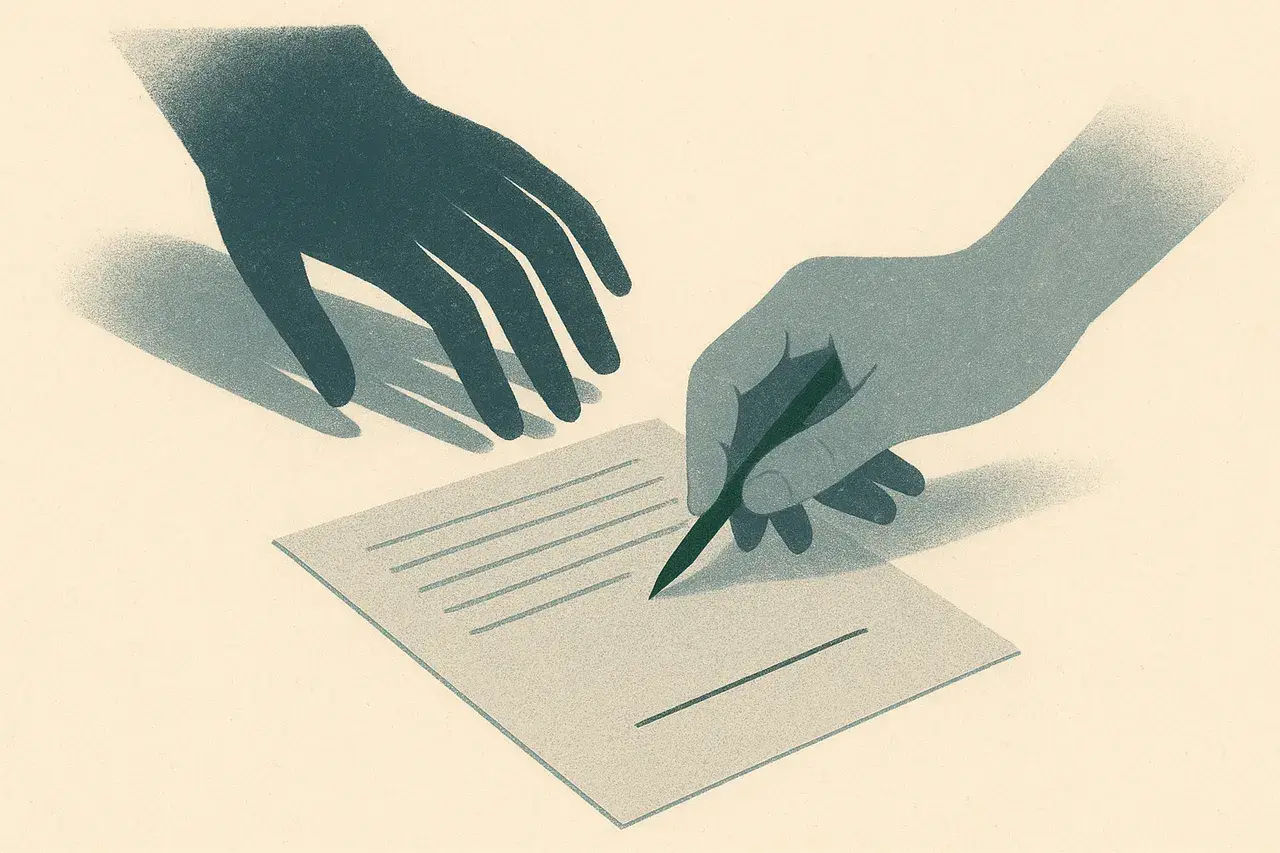
A ruling shaped by academic scholars at Western University has placed intimate partner violence squarely inside mainstream legal doctrine, and its implications stretch well beyond criminal or family-law courtrooms. At the heart of the decision lies a question that contract lawyers have long debated in quieter terms: when a person signs an agreement under conditions of fear, coercion or psychological control, can that signature ever constitute genuine consent? The answer emerging from this landmark IPV ruling is a decisive no, and that conclusion carries significant weight for anyone drafting, reviewing or enforcing legal agreements.
Coercive control, once treated as a social-work concept rather than a legal one, is steadily acquiring precise juridical meaning. Courts are now being asked to examine the circumstances surrounding contract formation with the same rigour previously reserved for commercial duress cases. For contracting parties, legal teams and contract-management platforms alike, this signals a shift in due-diligence obligations that cannot be ignored.
Coercion, Duress and the Foundations of Contractual Consent
Contract law has always required that consent be freely and voluntarily given. The doctrines of duress and undue influence exist precisely to police that boundary. Economic duress, where one party exploits a power imbalance to extract an agreement, has been well litigated in commercial settings. What the intimate partner violence ruling does is extend that analytical framework into domestic and personal contexts with far greater clarity.
The ruling recognises that coercive control operates gradually and systemically, not through a single dramatic threat. A person who signs a property agreement, a prenuptial contract, a debt guarantee or a business partnership deed after months of psychological manipulation has not consented in any meaningful legal sense. The coercion need not be a knife at the throat; it can be an environment of fear that makes refusal unthinkable. This nuanced reading of duress is precisely what scholars contributed, providing courts with an evidential and conceptual framework to identify coercion even when it leaves no visible mark.
How Courts Will Now Assess Contracts Signed Under Domestic Coercion
Practically speaking, the ruling gives judges clearer guidance on the indicators they should weigh when a party seeks to set aside a contract signed under duress in a domestic or intimate context. Those indicators include: isolation from independent legal advice, a pattern of control over financial decisions, threats (express or implied) of harm to the signing party or their dependants, and significant imbalance in the terms of the agreement itself.
For a contract to survive challenge, the enforcing party will increasingly need to demonstrate that the other side had genuine freedom of choice at the moment of signing. Independent legal advice, recorded voluntarily and without the other party present, is likely to become a stronger safeguard than it has been historically. Courts may also scrutinise the substantive fairness of the agreement as circumstantial evidence of whether real negotiation took place.
Implications for Contract Drafting and Due Diligence
Legal teams and in-house counsel should treat this ruling as a prompt to revisit standard due-diligence checklists for agreements involving individuals in personal relationships. Prenuptial and postnuptial agreements, cohabitation contracts, guarantees where one partner secures the other's business debts, and property transfer deeds are all candidates for heightened scrutiny.
The practical steps are not radical, but they are important. Ensuring that each party receives independent legal advice from a solicitor they chose themselves, that adequate time for reflection was provided before signing, and that the agreement is broadly proportionate in its terms will all help insulate a contract from later challenge. As one commentary on the ruling notes, the judiciary is being asked to look at "the full context of the relationship" when assessing consent, not merely the moment the pen met the paper.
What This Means for AI-Assisted Contract Review
For AI contract-lifecycle-management tools, the ruling raises both an opportunity and a responsibility. Platforms that read contracts from the client's side are well placed to flag structural red flags: one-sided indemnities, unusual guarantee clauses, absence of recitals confirming independent advice, or terms that appear to have been dictated rather than negotiated. None of those flags prove coercion, but they surface questions that a human lawyer should then explore.
Conversely, platforms that assist with drafting have an obligation to build in prompts that remind drafters to document the consent process properly, particularly in agreements between individuals with a personal relationship. Good contract hygiene is no longer simply a matter of legal precision; it is a matter of ethical soundness. Courts are watching how agreements are made, not only what they say.
The Broader Shift: Vulnerability, Power and the Future of Contract Validity
The intimate partner violence ruling is part of a broader judicial trend toward recognising vulnerability as a live factor in contract formation. Regulators in financial services have led this charge for years, requiring firms to identify and accommodate customers in vulnerable circumstances. Contract law is now catching up.
This convergence matters for global contracting practice. Jurisdictions that adopt or are influenced by this reasoning, whether through common-law development or legislative reform, will expect contracting parties to take affirmative steps to ensure that everyone at the table is genuinely free to say no. That is a higher standard than the law has traditionally demanded, and meeting it consistently will require both better processes and smarter tools.
Frequently asked questions
- Can a contract signed under domestic abuse or coercive control be voided?
- Yes. A contract signed under coercive control can be challenged and set aside under the legal doctrines of duress or undue influence. Courts are increasingly willing to look at the broader relationship context, not just the moment of signing, when assessing whether genuine consent existed.
- What is the difference between duress and undue influence in contract law?
- Duress involves an unlawful threat that leaves a party with no real choice but to sign. Undue influence involves a relationship of trust or dominance being exploited to obtain an agreement the other party would not freely have made. In intimate partner violence cases, both doctrines may apply simultaneously.
- How does the intimate partner violence landmark ruling affect prenuptial agreements?
- The ruling strengthens the argument that prenuptial agreements negotiated within a coercive relationship lack valid consent and may be set aside. Parties seeking to enforce such agreements will need clear evidence of independent legal advice and a genuine opportunity to negotiate or refuse.
- What steps can protect a contract from a future duress or coercion claim?
- Ensuring each party receives independent legal advice from a solicitor of their own choosing, allowing adequate time for reflection before signing, and keeping the agreement broadly proportionate are the strongest safeguards. Documenting the consent process carefully provides crucial evidence if a contract is later challenged.
- What did scholars contribute to the landmark intimate partner violence ruling?
- Academic scholars provided courts with an evidence-based framework for understanding coercive control as a systemic pattern rather than isolated incidents. This gave judges clearer conceptual tools to identify domestic coercion even in the absence of direct physical threats, influencing how the ruling defines impaired consent.
See how Adira drafts in your voice and reads contracts from your side.
Explore the showroomWorking through a contract like this? Weave is Adira’s free tool to read, mark up, and connect any contract in your browser — no account needed.
Try Weave — free