distressed transactions
Contracting Without a Safety Net: What Distressed M&A Teaches Us About AI-Assisted Due Diligence
The Problem With Distressed Deals Is Speed, Not Just Risk
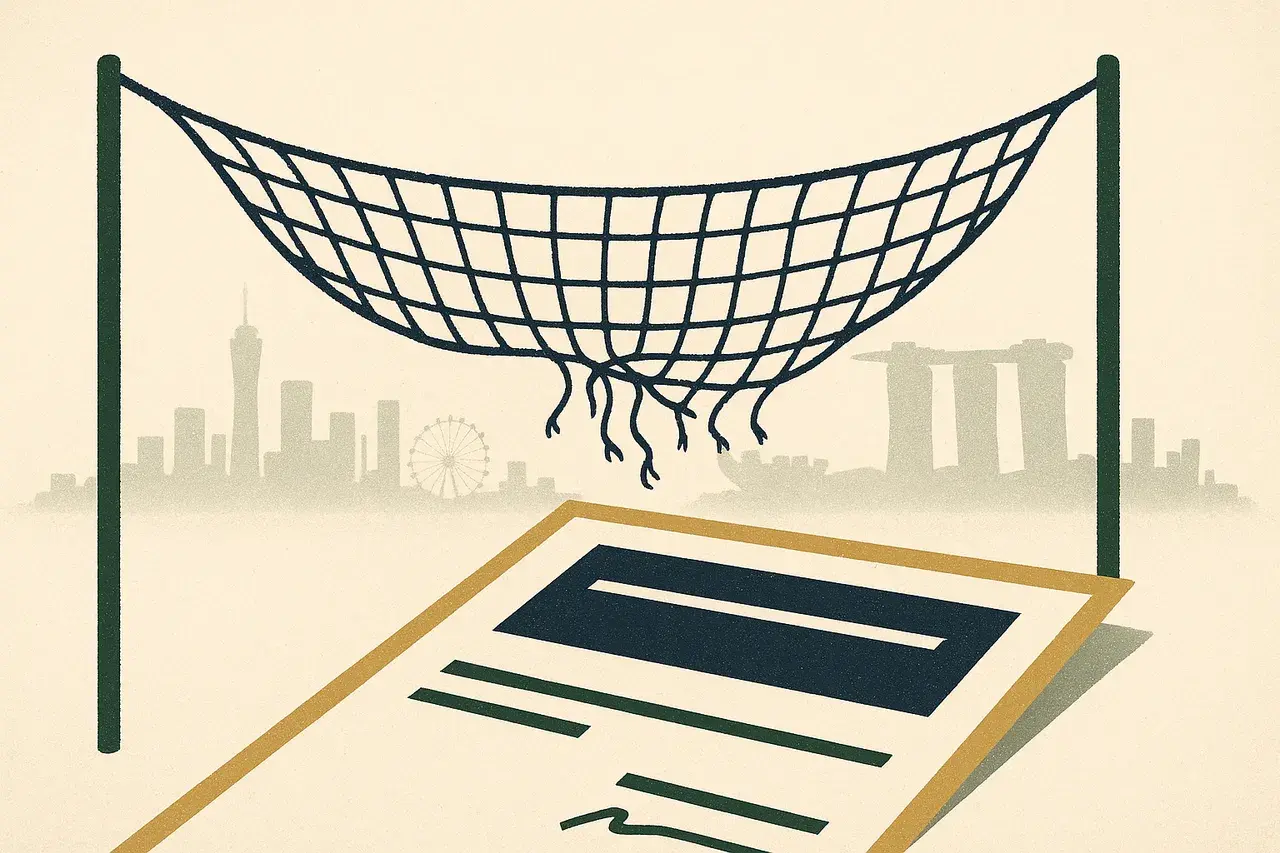
In a conventional M&A transaction, parties negotiate representations and warranties, indemnities, and disclosure schedules over weeks or months. Insolvency practitioners rarely enjoy that luxury. As the Singapore Law Gazette recently noted, distressed transactions and restructuring often proceed without conventional contractual protections, leaving all sides to navigate heightened legal and commercial risks under significant time pressure.
The instinct of many legal teams in this situation is to work harder: longer hours, more manual review, bigger due diligence checklists. That instinct is understandable but increasingly insufficient. The real answer is to work differently, and contract AI has a direct role to play.
What Falls Away When Standard Protections Disappear
In a healthy transaction, the seller gives warranties, the buyer negotiates a disclosure letter, and warranty and indemnity insurance fills remaining gaps. In a distressed sale, the insolvency practitioner typically sells on an as-is basis, warranties are excluded or heavily qualified, and W&I underwriters often decline to cover the target at all.
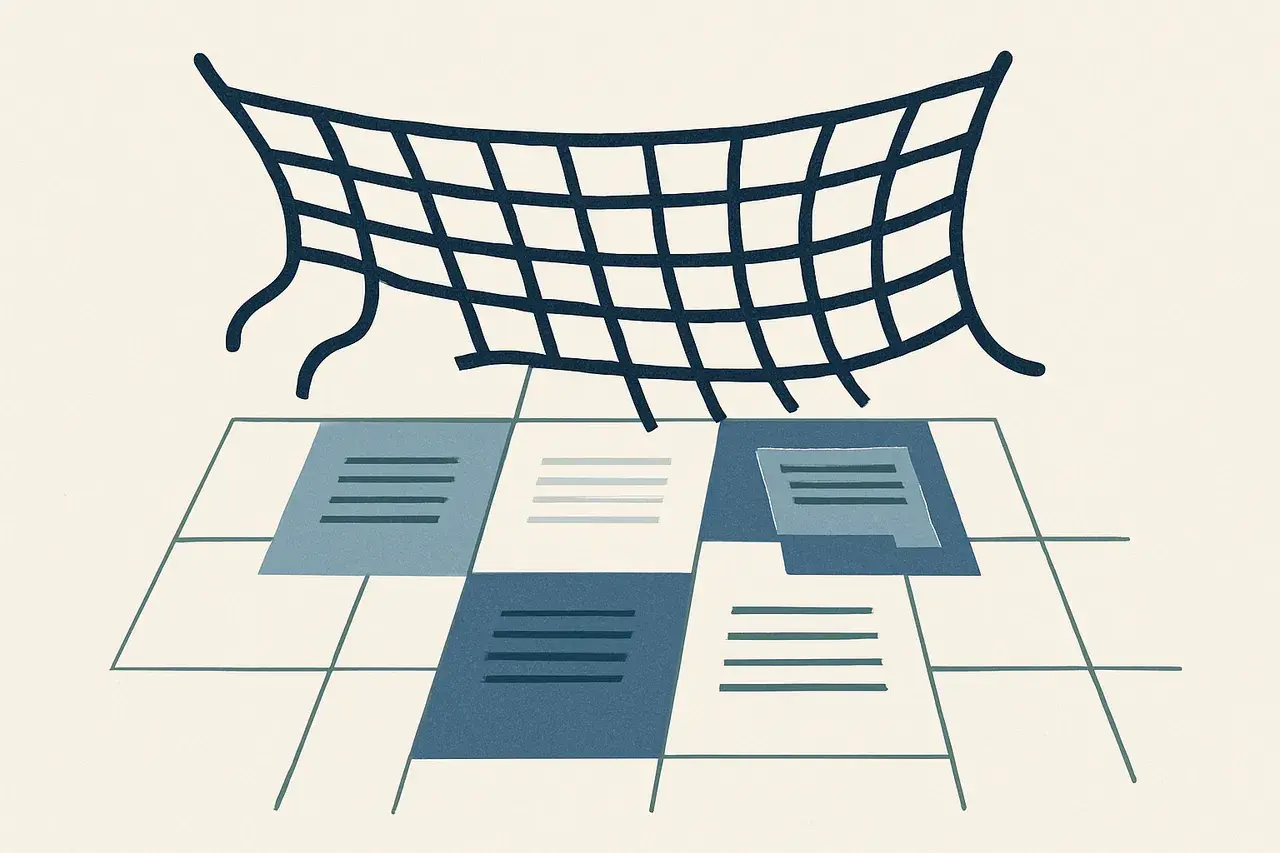
This does not mean risk disappears. It means risk shifts, silently, into the existing contract population of the target business. Leases with change-of-control triggers, supplier agreements with insolvency termination rights, customer contracts containing assignment restrictions: all of these become live issues the moment a restructuring is announced. The buyer inherits whatever the target signed, on whatever terms, governed by whatever law.
For in-house teams advising on a distressed acquisition in Singapore, that inherited contract stack may include agreements governed by English law, New York law, and Singapore law simultaneously, each with different default rules on assignment, novation, and termination for insolvency.
Reading Contracts From Your Side of the Table
This is precisely where a purpose-built contract AI makes a measurable difference. Rather than asking a lawyer to read every agreement and flag every risk manually, an AI CLM can be directed to read the target's contracts from the acquirer's perspective, identifying which provisions create exposure and which create opportunity.
Adira is designed to read contracts from your side. In a distressed context, that means telling the system what matters to you as the acquirer: change-of-control clauses, insolvency events of default, assignment mechanics, governing law, and dispute resolution forums. The system surfaces those provisions across the entire contract population, ranked by materiality, so counsel can focus their time where it genuinely counts.
In Singapore, this is particularly valuable because the Companies Act and the Insolvency, Restructuring and Dissolution Act 2018 create specific legal consequences around ipso facto clauses and the ability of counterparties to terminate on insolvency. Knowing which contracts contain such provisions, and how they interact with local statute, is not a task that benefits from being done slowly.
Drafting Under Compressed Timelines
Due diligence is only half the problem. Once the deal structure is agreed, the transaction documents themselves must be drafted, often in days rather than weeks, and often with minimal precedent to draw on because the structure is bespoke.
A stalking horse bid agreement, a pre-packaged restructuring deed, or an asset sale under a judicial management regime does not have the same precedent density as a standard share purchase agreement. Lawyers drafting these documents are working at the edge of their template libraries.
Contract AI trained on jurisdiction-specific law adds genuine value here. Adira drafts in the company's own voice and knows the legal framework of the jurisdiction it is working in, which means output does not need to be entirely reworked before it is usable. For a Singapore-governed asset sale in a restructuring context, the system understands local concepts including the effect of judicial management moratoriums and the treatment of executory contracts, rather than defaulting to English or American formulations that require manual correction.
What This Means for Firms and In-House Teams in Singapore
The Singapore restructuring market is sophisticated and growing. The IRDA has established Singapore as a genuine hub for cross-border restructuring in Asia, and complex multi-jurisdictional distressed deals are becoming more common, not less.
Law firms advising insolvency practitioners and distressed buyers need to deliver high-quality legal analysis faster than conventional workflows allow. In-house teams at private equity sponsors or strategic acquirers need to make go or no-go decisions on incomplete information, often over a weekend.
Neither group is well served by treating AI as a novelty or a cost-cutting tool. The right framing is risk intelligence: using AI to map the contract-level risks that conventional protections would have addressed, and to draft the bespoke documents that fill the gaps as best they can.
Distressed transactions are not going to become simpler. The legal teams that thrive in this environment will be those that have built AI into their standard workflow before the next distressed opportunity arrives, not after.
See how Adira drafts in your voice and reads contracts from your side.
Explore the showroomWorking through a contract like this? Weave is Adira’s free tool to read, mark up, and connect any contract in your browser — no account needed.
Try Weave — free