brand legal disputes
Trademark Infringement in Media: What the Demon Hunter vs Netflix Dispute Teaches Contract Drafters
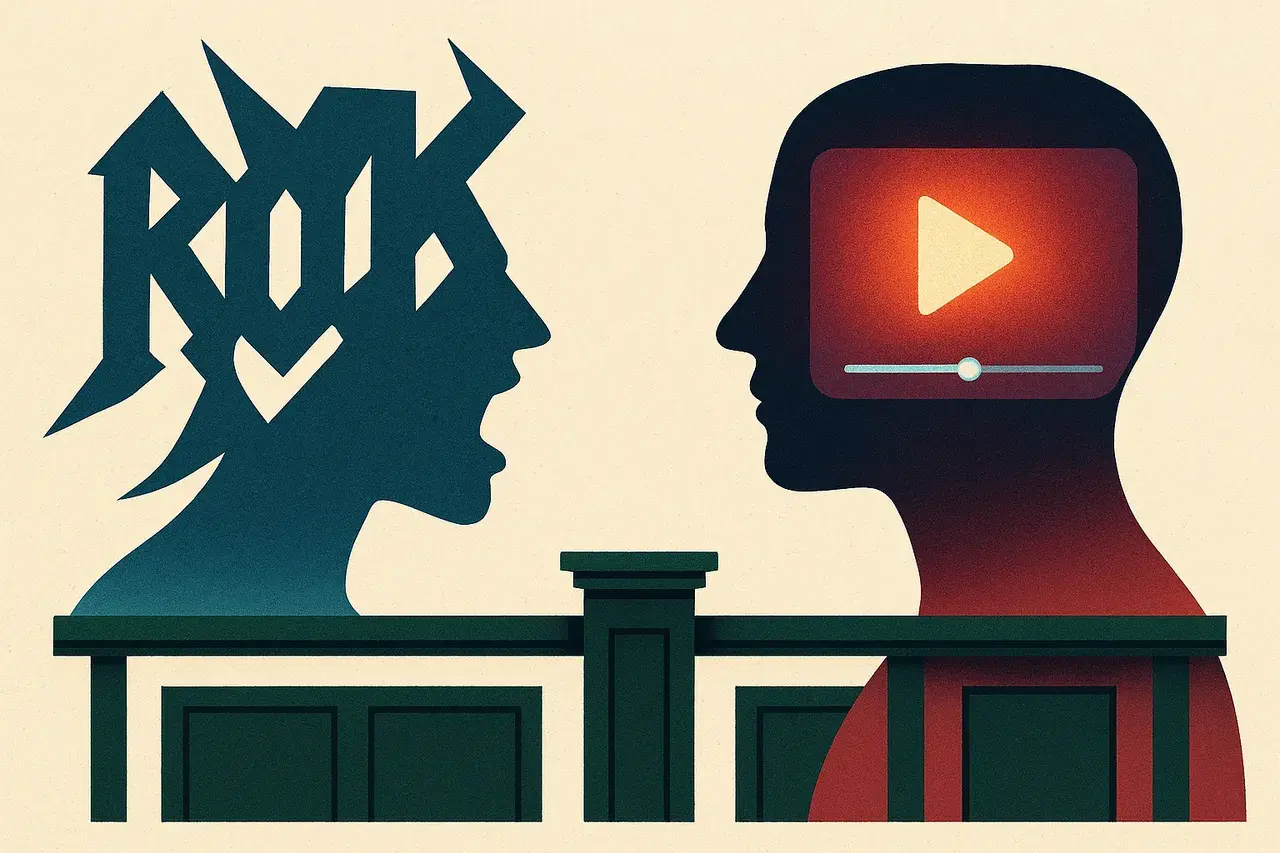
The Dispute at a Glance
Demon Hunter, a long-running Christian metal band with a registered trademark over their name, has filed suit against Netflix alleging that the streaming giant's animated series title 'KPop Demon Hunters' creates a likelihood of confusion in the marketplace. The band's position is that consumers, search algorithms and digital storefronts could readily associate the show's title with their brand, diluting goodwill they have built over more than two decades. Netflix has not publicly conceded any error. The outcome will turn on the classic trademark question: would an ordinary consumer confuse the two? But the more instructive question, from a contracts perspective, is: how did this reach litigation at all, and what drafting choices could have stopped it?
Which Clause Failed: Title Clearance and IP Warranties
In entertainment production agreements, the clause most directly at issue in situations like this is the title clearance obligation, sometimes embedded inside a broader intellectual property warranty. A production company or platform typically warrants that the content it commissions or acquires does not infringe the intellectual property rights of third parties. When that warranty is vague, the practical question of who bears responsibility for running trademark searches, reviewing results and escalating conflicts becomes dangerously unclear.
Contracts that simply state a party 'warrants the content does not infringe third-party IP' without specifying the standard of care, the scope of the search or the geographic markets covered are leaving gaps that disputes will fill. Streaming is global by nature, so a clearance exercise limited to one jurisdiction will routinely miss registrations that matter elsewhere.
What a Tighter Contract Would Have Said
A well-drafted production or content licensing agreement would include several specific provisions that the apparent gap in this situation may have lacked.
First, a defined clearance standard: the contract should require a full trademark clearance search across all relevant classes of goods and services, conducted by qualified legal counsel, in every jurisdiction where the content will be distributed. The results should be reviewed against registered marks, pending applications and common-law rights, because unregistered marks can still ground an infringement claim in many territories.
Second, an escalation and approval mechanism: if a search returns a potentially conflicting mark, the contract should require written notice to the commissioning party, a hold on finalising the title, and a documented decision trail. This prevents a situation where a production team presses ahead after a clearance flag is raised informally.
Third, a survival clause on IP warranties: the indemnification and warranty obligations relating to title clearance should survive completion, delivery and even termination of the agreement. Trademark disputes frequently surface after launch, not before.
Fourth, an indemnification waterfall: the contract should clearly allocate who bears the cost of defending and settling any third-party trademark claim arising from a title or brand element. Without this, both parties spend the early months of litigation arguing about who should be paying the lawyers, rather than resolving the underlying dispute.
The Likelihood of Confusion Analysis Matters for Drafting Too
Trademark law in the United States applies a multi-factor test to assess likelihood of confusion, considering the similarity of marks, the proximity of goods and services, evidence of actual confusion and the sophistication of the relevant consumer. Drafters should understand this test because it directly shapes the risk profile of a title clearance opinion. A conflicting mark in a completely unrelated industry carries far less risk than one in an overlapping audience segment.
Demon Hunter's mark covers musical recordings and performances. A Netflix animated series sitting in the same digital storefronts, recommended by the same algorithms and consumed by overlapping audiences presents a closer argument on proximity than many clearance teams might initially assume. Any tighter contract would require counsel to address audience overlap explicitly in their opinion letter, not merely the formal classification of goods.
How Platforms Can Reduce Trademark Exposure in Content Agreements
Netflix and platforms of comparable scale commission and acquire hundreds of titles each year. Managing trademark infringement risk at that volume requires systemic solutions, not just careful individual review. Platforms should consider requiring all production companies and studios to deliver a title clearance certificate as a condition precedent to first payment. No certificate, no funds. That simple mechanism shifts the primary clearance burden clearly onto the party closest to the creative decisions while giving the platform a contractual remedy if the certificate proves to have been provided negligently.
Production agreements should also include a title change mechanism: a contractual right for the platform to require a title amendment if a credible third-party trademark complaint is received before or shortly after launch. Without that right, a platform is in the awkward position of either continuing to use a disputed title or pulling content without a clear contractual basis for doing so.
The Broader Lesson for Brand Owners and Contracting Teams
For brand owners, the Demon Hunter situation is a reminder that trademark registration alone is not sufficient protection. Active monitoring services, rapid response protocols and clear contractual relationships with licensees and distributors are equally important. A band that discovers an infringing title the day a major streaming series launches is already at a disadvantage.
For contracting teams on the platform or studio side, the lesson is that title clearance is not a formality to be delegated to a junior associate on a tight deadline. It is a material risk management exercise. Building structured clearance obligations, documented approval gates and clear indemnification terms into every production agreement is the kind of drafting discipline that prevents a dispute from becoming a lawsuit. Adira's contract analysis tools can flag missing clearance warranties and indemnification gaps at the review stage, before a title ever reaches a streaming catalogue.
Frequently asked questions
- Can a band sue a streaming platform for trademark infringement over a show title?
- Yes. If a registered trademark owner can demonstrate a likelihood of consumer confusion between their mark and a show title, they have grounds for an infringement claim regardless of whether the defendant is a broadcaster, streamer or studio. The key legal test focuses on similarity of marks, proximity of goods or services, and evidence of actual or likely confusion.
- What is a title clearance clause in a media contract?
- A title clearance clause requires a party to conduct a professional trademark search before finalising any title, brand name or logo used in a production, confirming it does not infringe registered or common-law rights. It typically specifies the scope of the search, the jurisdictions covered, who bears responsibility and what happens if a conflict is identified.
- Who is responsible for trademark clearance in a Netflix-style production deal?
- Responsibility depends entirely on how the production agreement is drafted. Platforms commonly require production companies to warrant clearance and deliver a legal opinion letter as a condition of payment. Without an express allocation, both parties may dispute liability when a third-party claim arises, leading to costly parallel disputes.
- How do I protect my band name from being used in a film or TV title?
- Register your trademark in all relevant classes, including entertainment services and merchandise, and across the key markets where your audience is based. Use a monitoring service to flag new applications or uses that resemble your mark, and respond quickly with a cease-and-desist letter when a conflict is identified. Early engagement is almost always cheaper than litigation.
- What is the likelihood of confusion test in trademark law?
- The likelihood of confusion test is a multi-factor analysis used by courts to determine whether consumers would mistakenly believe two marks are connected. Factors include the similarity of the marks, the relatedness of the goods or services, the channels of trade, buyer sophistication and any evidence of actual confusion. In digital streaming, shared platforms and recommendation algorithms can heighten the proximity of otherwise distinct markets.
See how Adira drafts in your voice and reads contracts from your side.
Explore the showroomWorking through a contract like this? Weave is Adira’s free tool to read, mark up, and connect any contract in your browser — no account needed.
Try Weave — free